
Portfolios and digital portfolio solutions have become a cornerstone of self-directed and skills based education in both vocational training and higher education.
When implemented effectively, portfolios can enhance learning processes in numerous ways. They
- make learning visible
- support planning and reflection
- simplify documentation
- provide a clear way to demonstrate competencies
- create the necessary conditions for structuring real-world work tasks
However, a portfolio is not a simple tool that can be introduced and then forgotten. To deliver meaningful results, it requires careful planning and pedagogical expertise.
For instance, Beckers, Dolmans, and van Merriënboer (2016) identified several key factors that influence the effectiveness of portfolios in education.
In this article, we’ll explore what high-quality portfolio pedagogy truly entails and how to build a successful digital portfolio strategy.
Ensure sufficient appreciation at the organizational level
A portfolio is not the responsibility of a single instructor. A digital portfolio initiative works best when an entire organization establishes shared guidelines. This approach ensures that both students and teachers receive adequate support for creating and using portfolios.
When an institution commits to a clear strategy, it guarantees that educators are properly trained to integrate portfolios into their teaching. It also ensures that transparent processes and workflows are in place, and that a shared framework for student self-direction exists.
Successful self-directed learning with a digital portfolio depends on this kind of institutional backing. Without a unified approach, portfolios often become fragmented and fail to deliver their full potential.
Make the portfolio a natural part of teaching
A portfolio supports learning most effectively when it is an integral part of the learning process. If a digital portfolio is treated as a mandatory chore or an extra burden, student engagement will be significantly lower. A portfolio is not a patch to be applied on top of regular teaching; it should be a core component.
To achieve this, the digital portfolio must be utilized as a key tool for planning learning, providing guidance, and facilitating reflection. Its use should be supported through structured mentoring, continuous assessment, and clear communication.
It needs to provide genuine value to the student by improving the learning process, making feedback clearer, and enabling deeper reflection on their progress.
If the portfolio feels like a compulsory, disconnected task with no clear link to the rest of their education, students will perceive it as a pointless burden. They may either neglect it entirely or invest the bare minimum time required to fill it out. By contrast, when the digital portfolio is woven seamlessly into the curriculum, it becomes an indispensable tool for growth.
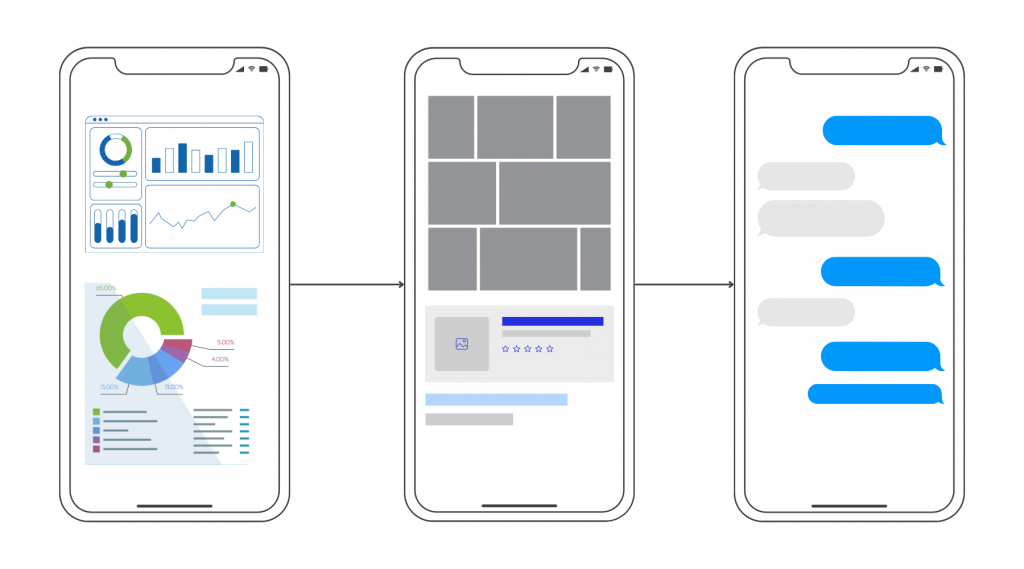
Digital portfolios can make skills visible, improve communication and increase transparency.
Provide adequate support for implementation
As with all teaching, the focus of portfolio pedagogy must be on the individual student. Students need timely feedback, support, and guidance that is tailored to their unique starting points. Guiding students toward self-directed learning is not an excuse to leave them without assistance.
On the contrary, fostering self-direction often requires even more extensive and personalized support. Regular communication, understanding individual student needs, and providing constructive feedback are absolutely essential. This is especially critical for new students who are still developing their metacognitive skills.
Positive experiences of success, a sense of autonomy, tangible proof of skill development, and a strong connection with peers and instructors are key drivers of positive outcomes. A well-supported digital portfolio environment empowers students to take ownership of their learning journey.
Choose a practical implementation that fits your context
The concept of a portfolio is broad, and its appearance can vary significantly depending on the context. An institution’s specific practices and pedagogical processes will largely dictate what is required from a digital portfolio.
Several important questions need to be answered before selecting a technical solution:
Do students plan their own individual goals, or does a standard template work for everyone?
Is the focus on documenting completed tasks, or is the emphasis on reflecting on the learning process?
Do students need to log attendance and working hours?
Should other parties, such as workplace mentors, be involved in the workflow?
Do documented achievements require formal approval?
How will feedback and assessment be conducted?
Should communication be continuous throughout the learning period?
All of these factors influence the format and functionality of the digital portfolio. They must be carefully considered when choosing the right technical implementation and tools. A solution that works for one institution or program may not suit another.
Workseed as part of effective portfolio pedagogy
Workseed is a work-based learning environment that provides educational institutions with comprehensive tools for documenting practical learning. It enhances the quality of guidance and makes competencies visible. With Workseed, you can encourage students to document their learning in diverse ways and reflect deeply on what they have learned.
The platform also streamlines administrative processes, making tasks like reporting work hours agile and efficient. For example, the South-Eastern Finland University of Applied Sciences (XAMK) uses the Workseed learning environment to manage, monitor, and guide its internship processes. Read the full customer story here.
By integrating a purpose-built digital portfolio solution like Workseed, institutions can overcome common challenges related to engagement and administrative burden.
If you want to see the learning environment in action or hear more about XAMK’s experiences, you can book a demo here.
If you are interested in achieving higher-quality documentation of work-based learning, you can also download our comprehensive Buyer’s Guide here.